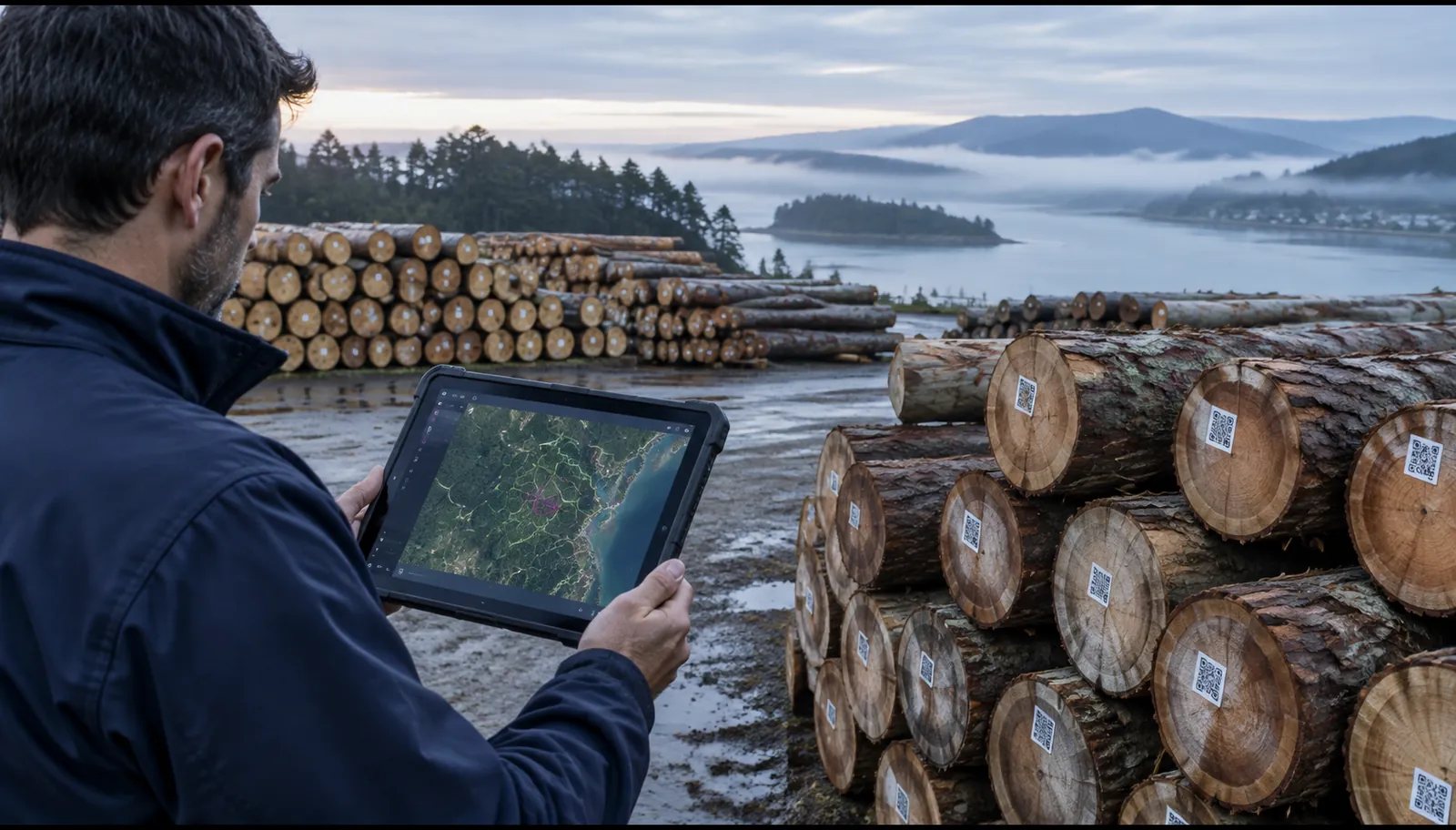
EUDR: turning deforestation-free traceability into a process improvement
On 30 December 2026 the EU Deforestation Regulation starts to apply. For Spanish companies it is not just paperwork: it changes how they buy, receive, produce and sell. We look at the impact on daily operations and how to approach it as process innovation.
What the EUDR requires and from when
Regulation (EU) 2023/1115, known as the EUDR, prohibits placing on the EU market, making available or exporting products made from seven commodities —wood, cattle, cocoa, coffee, oil palm, rubber and soy— unless they meet three conditions: they do not come from land deforested after 31 December 2020, they were produced in line with the laws of the country of origin, and they are covered by a due diligence statement.
After two postponements, the dates are now firm. The simplification review published by the European Commission in May 2026 ruled out further changes to the text and confirmed the timeline:
- 30 December 2026: large and medium-sized companies.
- 30 June 2027: micro and small enterprises.
- Penalties set by Member States can reach at least 4% of annual EU turnover, plus confiscation of the goods.
Why it affects more Spanish companies than it seems
Low risk does not mean no data: geolocation is still mandatory.
The EUDR is not limited to commodity importers. It also applies to production within the EU, so timber felled in a Galician forest or cattle raised in Spain fall within its scope just as imported cocoa does. And it reaches derived products: furniture, wood panels, paper and cardboard packaging, chocolate, roasted coffee, tyres or soy-based animal feed.
Spain is classified as a low-risk country, which allows simplified due diligence for domestic origin: no additional risk assessment or mitigation is required. But the obligation to collect information does not go away. Companies still need the geolocation of the plots of origin and must be able to prove it.
The December 2025 reform also redistributed obligations along the chain: the statement is filed by whoever first places the product on the market, while downstream operators must identify suppliers and customers and keep the references of the statements they receive. Fewer forms, but greater dependence on data travelling intact from one link to the next.
What changes in daily operations
The EUDR is not solved in the sustainability department. It touches processes that today run on spreadsheets, emails and paper delivery notes:
- Purchasing: contracts and supplier records must include the delivery of plot coordinates or polygons and the due diligence statement reference.
- Receiving and warehouse: each batch must stay linked to its origin. Mixing verified material with material of unknown origin breaks the traceability of the whole batch.
- Production: manufacturing orders must record which incoming batches make up each finished product.
- Sales and customs: the statement reference travels with the invoice and, for imports or exports, with the customs declaration.
- Records: documentation must be kept for five years and be available for inspection.
From paperwork to data flow: the opportunity to innovate
A process that complies by design does not depend on one person's memory.
Treating the EUDR as an annual file generates cost without return. Treating it as a process redesign lets the same data the regulator requires improve purchasing, quality and customer relations. It is process innovation in the strict sense: doing the same thing in a significantly better way.
- Traceability inside the ERP: origin and statement reference as batch attributes, not scattered attachments.
- Supplier portal with automatic validation of geolocation data before the order is accepted.
- Direct connection to the EU information system to file and check statements without re-keying data.
- Cross-checking plots against satellite forest-cover maps to flag alerts before buying.
- Artificial intelligence to classify certificates, extract data from supplier documents and flag inconsistencies.
The result is a process that complies by design: compliance no longer depends on one person's memory and becomes a property of the system.
A practical roadmap
For large and medium-sized companies the margin is now measured in weeks; small businesses have until June 2027 to do it more calmly. In both cases, the recommended order is the same:
- 1.Map the catalogue: which items contain regulated commodities and under which tariff code.
- 2.Define the role in each flow: operator, downstream operator or trader.
- 3.Audit supplier data: who can provide geolocation today and who needs support.
- 4.Integrate traceability into the ERP and into purchasing, warehouse and sales flows.
- 5.Automate statement filing and evidence archiving.
At Xanelum we support this journey by bringing together regulatory compliance, processes and technology: from catalogue diagnosis to integrating traceability into the systems the company already uses.
Related articles
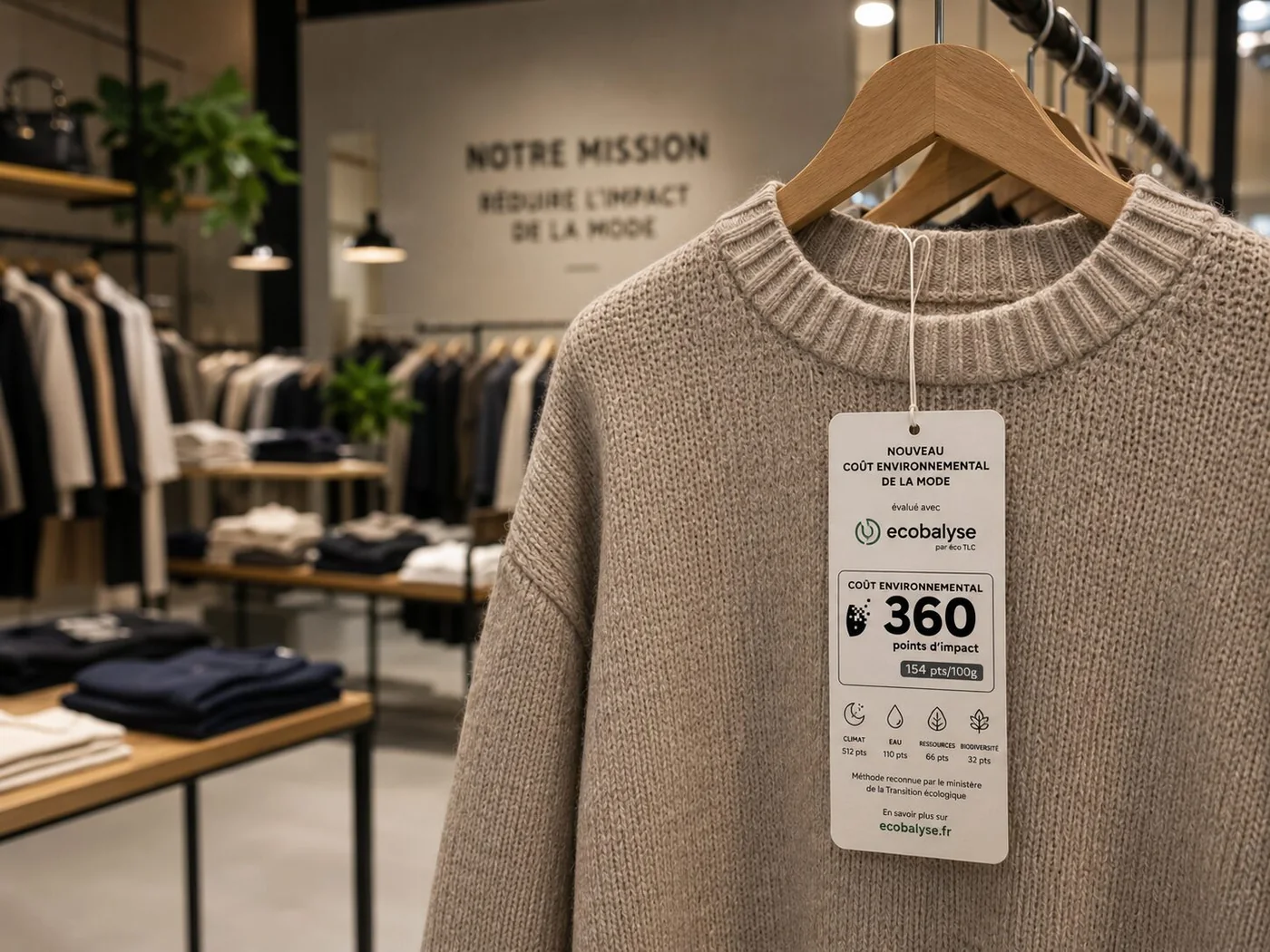
TexScore, our solution for calculating and publishing the textile Eco-score
Read more about TexScore
Sustainable mobility plans: what the new regulation demands from companies
Read more about Mobility Plan
PPWR: the packaging regulation that forces a redesign of product, data and supplier
Read more about PPWRWant us to analyze your case?
Request a free diagnostic and we'll propose a concrete action plan.
Start a conversation